
Hnycareershub
Add a review FollowOverview
-
Founded Date February 5, 1951
-
Sectors Business Support Functions
-
Posted Jobs 0
-
Viewed 1218
Company Details
- Company Logo 09
-
Company Website
-
Official Email Address jacintorempe@emailsgateway.store
-
Company Head Office address 913 Bayfield St
-
Contact Number 53

Company Description
NHS: The Family They Never Had
Within the bustling halls of an NHS hospital in Birmingham, a young man named James Stokes navigates his daily responsibilities with subtle confidence. His oxford shoes whisper against the floor as he acknowledges colleagues—some by name, others with the comfortable currency of a “how are you.”

James carries his identification not merely as institutional identification but as a declaration of belonging. It rests against a pressed shirt that betrays nothing of the difficult path that led him to this place.
What distinguishes James from many of his colleagues is not visible on the surface. His demeanor gives away nothing of the fact that he was among the first participants of the NHS Universal Family Programme—an initiative created purposefully for young people who have experienced life in local authority care.
“I found genuine support within the NHS structure,” James explains, his voice steady but tinged with emotion. His observation summarizes the core of a programme that strives to reinvent how the massive healthcare system views care leavers—those often overlooked young people aged 16-25 who have graduated out of the care system.
The statistics reveal a challenging reality. Care leavers often face higher rates of mental health issues, financial instability, shelter insecurities, and diminished educational achievements compared to their age-mates. Behind these clinical numbers are individual journeys of young people who have maneuvered through a system that, despite genuine attempts, regularly misses the mark in delivering the stable base that forms most young lives.
The NHS Universal Family Programme, initiated in January 2023 following NHS England’s pledge to the Care Leaver Covenant, embodies a profound shift in organizational perspective. At its core, it recognizes that the whole state and civil society should function as a “collective parent” for those who have missed out on the stability of a traditional family setting.
Ten pathfinder integrated care boards across England have charted the course, developing frameworks that reimagine how the NHS—one of Europe’s largest employers—can extend opportunities to care leavers.
The Programme is meticulous in its methodology, starting from comprehensive audits of existing procedures, creating governance structures, and obtaining leadership support. It recognizes that successful integration requires more than good intentions—it demands tangible actions.
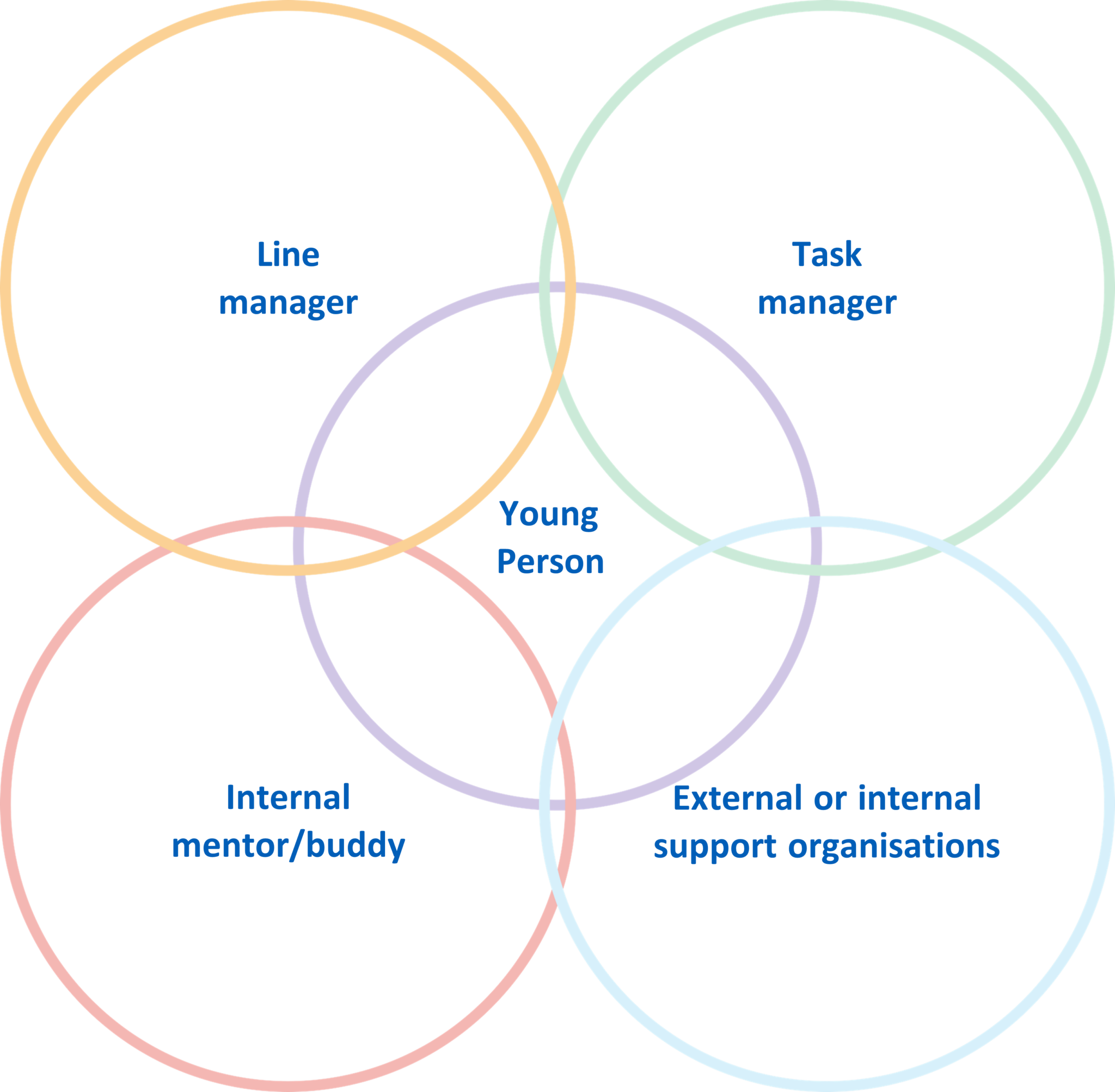
In NHS Birmingham and Solihull ICB, where James started his career, they’ve created a consistent support system with representatives who can deliver help and direction on mental health, HR matters, recruitment, and inclusivity efforts.
The standard NHS recruitment process—rigid and possibly overwhelming—has been intentionally adjusted. Job advertisements now emphasize character attributes rather than extensive qualifications. Application procedures have been reconsidered to address the unique challenges care leavers might experience—from lacking professional references to facing barriers to internet access.
Maybe most importantly, the Programme understands that starting a job can create specific difficulties for care leavers who may be navigating autonomy without the safety net of familial aid. Concerns like transportation costs, personal documentation, and financial services—taken for granted by many—can become substantial hurdles.
The beauty of the Programme lies in its thorough planning—from outlining compensation information to providing transportation assistance until that essential first payday. Even apparently small matters like break times and workplace conduct are deliberately addressed.
For James, whose professional path has “revolutionized” his life, the Programme provided more than employment. It gave him a feeling of connection—that elusive quality that develops when someone is appreciated not despite their past but because their distinct perspective enriches the workplace.
“Working for the NHS isn’t just about doctors and nurses,” James observes, his eyes reflecting the modest fulfillment of someone who has secured his position. “It’s about a collective of different jobs and roles, a team of people who genuinely care.”
The NHS Universal Family Programme embodies more than an employment initiative. It functions as a bold declaration that institutions can adapt to welcome those who have navigated different paths. In doing so, they not only alter individual futures but enhance their operations through the special insights that care leavers bring to the table.
As James walks the corridors, his presence subtly proves that with the right help, care leavers can thrive in environments once thought inaccessible. The embrace that the NHS has offered through this Programme symbolizes not charity but appreciation of untapped potential and the profound truth that everyone deserves a support system that believes in them.
